
Mitigating flow to surface risk
Managing MOP by area
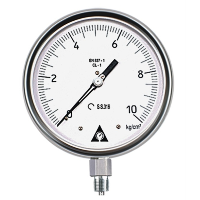 Soon after the AER's announcement of their study and decision about flow to surface, this operator decided to increase maximum operation pressure. He discusses differing pressures in several risk zones.
The AER agrees. Surface heaves in steam operations are a given -- the AER doesn't seem concerned with that phenomenon. The regulator is more concerned about basal water sand pressure, formation expansion index. Now you can read how they restricted pressures using these measures. We found this through AppIntel.
Each AER application contains your neighbor's perspective on the exploitation of oil and gas formations. Applications contain more technical data even than SPE papers.
Get details of this cool tech Subscribers get them for freeTags: Thermal, Compliance
 Granger Low 20 Apr 2016





Stop overspending. Start making more oil and gas with AppIntel AI.
Yesterday’s skills are not enough. Here’s why you are still behind.

The secret to getting more: Heavy oil, tight rock, thin pay
Polymer flooding is the right niche for this difficult play

Winning at Natural Gas STORAGE WAR$
The real prize in gas storage comes back with the gas

Focus on bitcoin
Bitcoin mining with stranded gas

Bored already? Back to thermal school!
New idea: Working steam up the over burden
 Calgary, Alberta, Canada
 Share
Share