
SAGD CO2 injection proposed
But cost and corrosion are against him
 CO2 injection improves recovery in conventional oil reservoirs. Will it improve recovery in SAGD too?
How do you find innovative SAGD field tests? With AppIntel you can set hit alerts to send you new applications that contain the words thermal bitumen.
In one SAGD pair, this operator proposes to inject CO2 with steam. This reduces steam-oil-ratio (SOR) but also potentially increases bitumen swelling and recovery.
Get the application documents about this operator's CO2 injection scheme in his SAGD project from our self-serve web portal.
Get details of this cool tech Subscribers get them for free?subject=Help me get up to speed on CO2 injection&body=Help me get up to speed on CO2 injection in SAGD. I'm interested in your review of CO2 and acid gas injection in Alberta.%0D%0A%0D%0AMy Name:__________ %0D%0AMy Phone Number:__________ %0D%0A%0D%0A(Or call Proven Sales at 403-803-2500.)">Contact Proven for a review of CO2 and acid gas injection in Alberta.
Reduce SOR -> reduce cost
Reduction of steam-oil-ratio usually indicates a reduction of operating costs. Steam is a costly commodity to generate. When natural gas is very cheap, it might make sense to substitute it for steam as long as recovery doesn't suffer.
CO2 can be even cheaper than gas if it's harvested from boiler flue gas. In this way, CO2 may be a free injectant.
Not free CO2
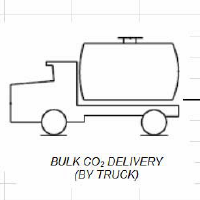
But CO2 is not a free injectant for this short term pilot. During the test, the operator will buy CO2 from an Alberta CO2 supplier and have it trucked to site. This is a very expensive CO2 source.
CO2 causes oil to swell and increases pressure in the reservoir. CO2 swelling may also discrease bitumen viscosity although this operator doesn't claim this benefit.
CO2 benefits
The operator believes there are four mechanisms that trap CO2 in the reservoir. He lists them and maintains that this could be a good way to reduce greenhouse gases.
In this test, the operator hopes to quantify the mechanisms that trap CO2 in the reservoir. This could pave the way for CO2 sequestration in SAGD. We found this information using AppIntel.
CO2 downside
CO2 is corrosive when mixed with even small amounts of water. Corrosion may attack surface facilities and piplines, well heads, casing and tubing strings. The operator discusses CO2 corrosion attack in his application and how he will mitigate its effects.
Each AER application contains your neighbor's perspective on the exploitation of oil and gas formations. Applications contain more technical data even than SPE papers. Not only can you see implementation of new technology quicker, but you can also see the location it's installed. You can check out actual production response compared to the prediction.
And applications are adjudicated by a very picky regulator who has a stake in a technology's success or failure. This provides better intelligence than adjudication by a panel of engineers who have a passive interest in technology for technology's sake.
SAGD carbon injection.?subject=Sign me up for an AppIntel subscription&body=Sign me up for an AppIntel subscription just for a day.%0D%0A%0D%0AMy Name: __%0D%0AMy Phone Number: ___%0D%0A%0D%0AType of applications __%0D%0ACheck out pricing https://www1.appintel.info/short-term-search/%0D%0A%0D%0A(Or call AppIntel Sales at 403 803 2500)">Contact us to try AppIntel just for a day.
Tags: Thermal, Heavy Oil, Environment
 Granger Low 28 Jun 2016




Stop overspending. Start making more oil and gas with AppIntel AI.
Yesterday’s skills are not enough. Here’s why you are still behind.

The secret to getting more: Heavy oil, tight rock, thin pay
Polymer flooding is the right niche for this difficult play

Winning at Natural Gas STORAGE WAR$
The real prize in gas storage comes back with the gas

Focus on bitcoin
Bitcoin mining with stranded gas

Bored already? Back to thermal school!
New idea: Working steam up the over burden

Absent salt cavern education?
Things you didn't learn in school about salt caverns

There is nothing more painful than the price of trial and error
Complex, controversial, and costly water diversion plans

Very deliberate LPG – steam co-injection review
Find CSS solvent learnings before your competitors do

SAGD Solvent
The best additive in the SAG-Dverse
 Calgary, Alberta, Canada
 Share
Share